Cantastoriememorie · emozioni · tradizioni Torna ai racconti

Fiaba · 10 min di lettura

La biblioteca delle cose perdute

Milo ha imparato a non affezionarsi a niente. Poi, sotto un ponte, trova una biblioteca dove ogni oggetto smarrito aspetta qualcuno disposto a ricordare.

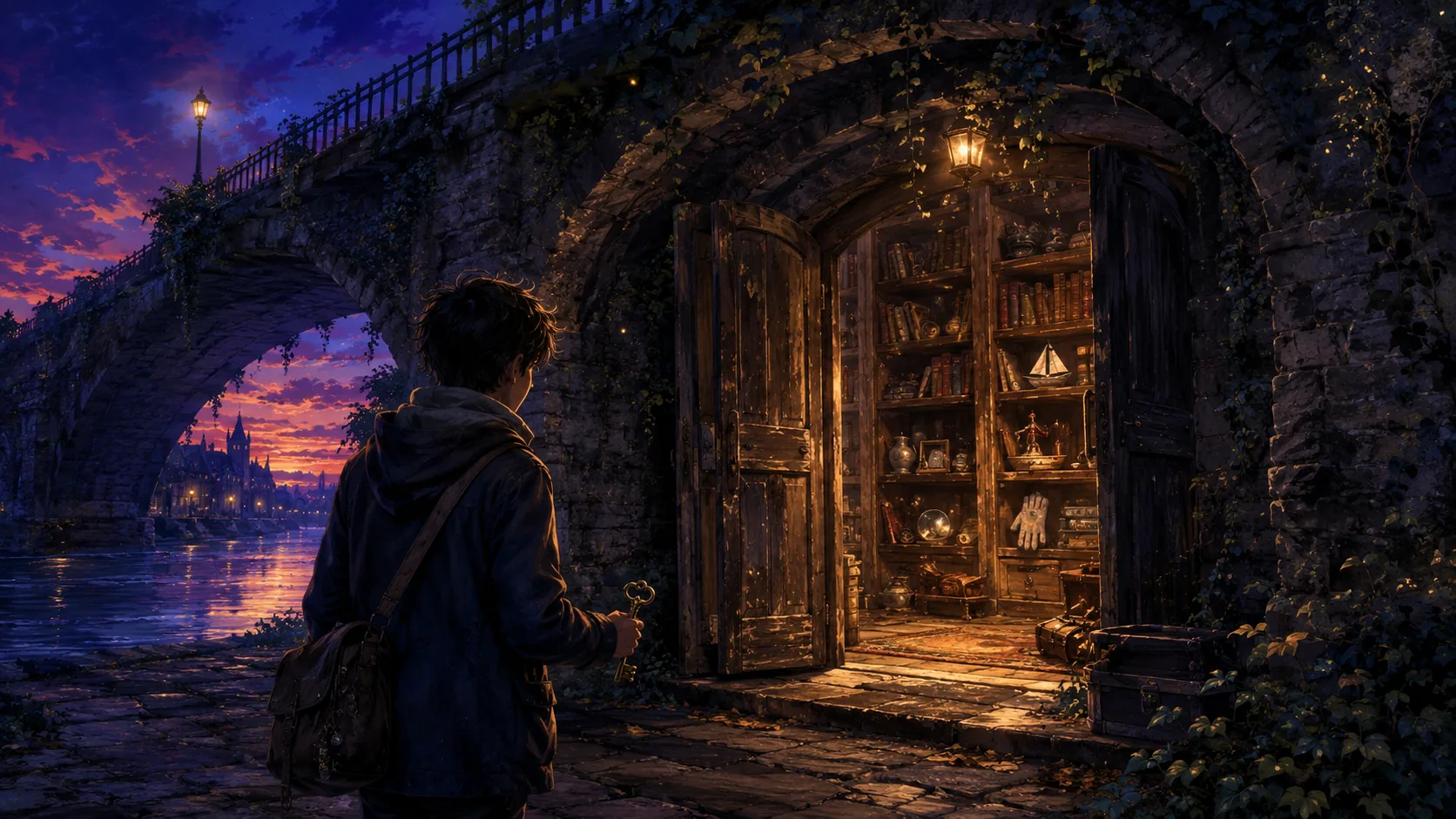
Un ragazzo davanti a una biblioteca luminosa nascosta sotto un ponte al crepuscolo
Qui nulla è davvero
perduto

Ascolta la storia

La lettura vocale non è disponibile in questo browser

Video narrativo

La biblioteca delle cose perdute

Guarda la fiaba in formato illustrato e accompagna Milo oltre la porta verde, dove ogni oggetto perduto custodisce una scelta.

01

Il ragazzo che trovava tutto

Milo aveva quattordici anni e un cassetto pieno di cose che non appartenevano più a nessuno. C'erano una biglia verde, un bottone dorato, una fotografia piegata in quattro e una chiave senza serratura. Le aveva trovate lungo le strade di Borgolume, sempre dopo il tramonto.

Non era un ragazzo distratto. Al contrario, si accorgeva di ciò che gli altri perdevano: una matita caduta sotto una panchina, un guanto rimasto sul sedile dell'autobus, una parola lasciata a metà durante una conversazione.

Raccoglieva tutto e lo portava a casa. Su ogni oggetto incollava un piccolo cartellino con la data del ritrovamento. Non scriveva mai il nome del proprietario, perché non lo conosceva. «Prima o poi torneranno a cercarlo» diceva a suo padre.

Ma quasi nessuno tornava. Le persone si abituavano in fretta all'assenza delle proprie cose. Compravano un altro ombrello, un'altra penna, un'altra fotografia. Anche Milo aveva cominciato ad abituarsi alle assenze.

Da quando la sua migliore amica Nerea si era trasferita dall'altra parte della città, non si erano più parlati davvero. Avevano litigato per una sciocchezza, poi avevano aspettato entrambi che fosse l'altro a scrivere per primo. Milo aveva ancora il messaggio che voleva mandarle, ma non aveva mai trovato il coraggio di premere invio.

02

La porta sotto il ponte

Una sera di ottobre, mentre tornava a casa per la strada più lunga, Milo sentì un tintinnio sotto il Ponte delle Ore. Si chinò vicino alla ringhiera e vide una piccola chiave d'ottone. Al contrario delle altre cose del cassetto, quella aveva un cartellino già legato al gambo.

La scritta diceva: Apri quando avrai il coraggio.

Milo guardò intorno. Il ponte era vuoto, ma sotto una delle arcate compariva una porta verde che non aveva mai visto. Non era appoggiata a un muro: stava in piedi da sola, incastrata tra due colonne di pietra, con una maniglia a forma di foglia.

Inserì la chiave. La porta si aprì senza rumore.

Dall'altra parte c'era una biblioteca immensa. Scaffali altissimi salivano nel buio e tra i libri brillavano oggetti di ogni genere: orologi fermi, nastri, conchiglie, biglietti del treno, fotografie, giocattoli, lettere mai spedite. Piccole luci dorate volavano sotto il soffitto come lucciole.

«Sei arrivato tardi» disse una voce.

Dietro un bancone comparve una ragazza dai capelli ricci, poco più grande di Milo. Indossava un grembiule blu con tasche così profonde che sembravano contenere intere stanze.

«Tardi rispetto a cosa?» chiese Milo.

«Rispetto alla cosa che continui a rimandare.» La ragazza indicò la chiave. «Io sono Lina. Questa è la Biblioteca delle Cose Perdute.»

«Perdere non significa sempre smarrire. A volte significa smettere di cercare, perché cercare ci costringerebbe a scegliere.»
03

Le regole degli scaffali

Lina gli spiegò che la biblioteca esisteva soltanto per chi aveva notato una perdita senza riuscire a darle un nome. Ogni oggetto arrivava lì quando il suo proprietario lo aveva cercato abbastanza da sentirne la mancanza, ma non abbastanza da volerlo davvero ritrovare.

«E possiamo riportarlo indietro?» domandò Milo.

«A volte. Ma non basta conoscere l'indirizzo. Devi capire che cosa ha perso davvero quella persona insieme all'oggetto.»

La prima cosa che Lina gli affidò fu un fischietto d'argento. Apparteneva al vecchio arbitro del campo di Borgolume, che lo aveva smarrito durante una partita. Milo pensò che sarebbe bastato consegnarglielo, ma Lina scosse la testa.

«L'arbitro non cerca un fischietto. Cerca il coraggio di tornare al campo dopo aver commesso un errore.»

Milo portò il fischietto al vecchio e lo trovò seduto sugli spalti vuoti. Non gli disse che conosceva la storia della biblioteca. Si limitò a porgergli l'oggetto.

«Non sono sicuro di voler ricominciare» disse l'uomo.

«Allora può tenerlo finché non sarà sicuro» rispose Milo.

Il vecchio strinse il fischietto nel pugno. Non promise niente, ma il giorno dopo tornò al campo. Quella sera, quando Milo rientrò sotto il ponte, una delle luci della biblioteca si accese da sola.

04

La sala delle scelte

Nei giorni successivi Milo aiutò Lina a restituire un nastro rosso a una bambina che aveva smesso di danzare, una bussola a una donna che non voleva più partire e un libro di ricette a due fratelli che avevano dimenticato come cucinare insieme.

Ogni volta capiva che un oggetto non torna mai da solo. Porta con sé una domanda: vuoi davvero riaprire quella porta? Sei pronto a chiedere scusa? Accetti che le cose possano essere cambiate?

Una notte Lina lo condusse nella Sala delle Scelte. Al centro c'era un tavolo di legno e, sopra il tavolo, un foglio piegato. Milo riconobbe subito la sua grafia.

Era il messaggio per Nerea. Lo aveva scritto tre mesi prima: Mi dispiace per quel giorno. Se vuoi, possiamo ricominciare.

«Come è finito qui?» chiese.

«Non lo hai mai spedito» disse Lina. «Le parole trattenute finiscono spesso in questa sala.»

Milo prese il foglio, ma le lettere cominciarono a sbiadire. La biblioteca tremò. Gli scaffali si spostarono, le luci volarono più in alto e la porta verde cominciò a chiudersi.

«Devi scegliere» disse Lina. «Puoi conservare il foglio, così non dovrai rischiare una risposta. Oppure puoi lasciarlo andare e pronunciare quelle parole a voce.»

Milo pensò che era più facile possedere un messaggio che consegnarlo. Un foglio non poteva rifiutarti, non poteva dire che non era più interessato, non poteva ricordarti il motivo per cui avevi litigato.

Ma Nerea non era una cosa perduta. Era una persona. E le persone non si ritrovano in un cassetto.

05

Il messaggio senza carta

Milo lasciò il foglio sul tavolo. La carta si trasformò in una piccola scintilla dorata e salì verso il soffitto. La porta verde smise di chiudersi.

«Adesso torna» disse Lina.

«E se Nerea non volesse parlarmi?»

«Allora avrai comunque smesso di nasconderti dietro una cosa perduta.»

Fuori, Borgolume dormiva. Milo attraversò il ponte mentre il cielo cominciava a schiarire. Arrivato a casa, prese il telefono. Per qualche secondo guardò il nome di Nerea senza scrivere nulla.

Poi inviò un messaggio semplice: Mi dispiace. Ti va di parlarmi?

La risposta non arrivò subito. Milo posò il telefono sul tavolo e andò a fare colazione. Quando tornò, trovò una sola frase.

Sì. Ma questa volta ascoltiamo entrambi.

Si incontrarono quel pomeriggio davanti alla biblioteca della scuola. Nerea non fece finta che non fosse successo niente, e Milo non cercò scuse eleganti. Parlarono della lite, della paura di sembrare deboli e dei mesi trascorsi ad aspettare un messaggio.

Non tornarono esattamente come prima. Tornarono diversi, che era un modo più vero di ricominciare.

06

Il catalogo delle cose ritrovate

Da quel giorno Milo continuò a frequentare la biblioteca. Lina gli insegnò a leggere il catalogo, dove ogni oggetto aveva due date: quella in cui era stato perduto e quella in cui qualcuno aveva trovato il coraggio di guardarlo davvero.

Alcune cose non tornarono mai dai loro proprietari. Un violino rimase su uno scaffale perché il suo musicista aveva scelto un'altra strada. Una fotografia restò chiusa in una scatola perché la persona ritratta non voleva più vivere nel passato. Anche quelle erano scelte, e la biblioteca le rispettava.

Altre cose invece trovarono una casa nuova. La bussola finì nelle mani di una ragazza che aveva paura di partire. Il nastro rosso diventò un segnalibro. Il bottone dorato del cassetto di Milo fu cucito sul suo vecchio cappotto da Nerea, durante un pomeriggio di pioggia.

Quando qualcuno gli chiedeva che cosa ci fosse sotto il Ponte delle Ore, Milo rispondeva che c'era una biblioteca. Nessuno gli credeva fino in fondo, ma tutti, almeno una volta, tornavano a cercare qualcosa che pensavano di aver dimenticato.

La porta verde compariva soltanto dopo il tramonto. E ogni volta che Milo inseriva la chiave nella serratura, sentiva il tintinnio leggero di migliaia di oggetti in attesa. Non sembrava più un rumore triste.

Sembrava il suono di tutte le possibilità che chiedevano di essere scelte.

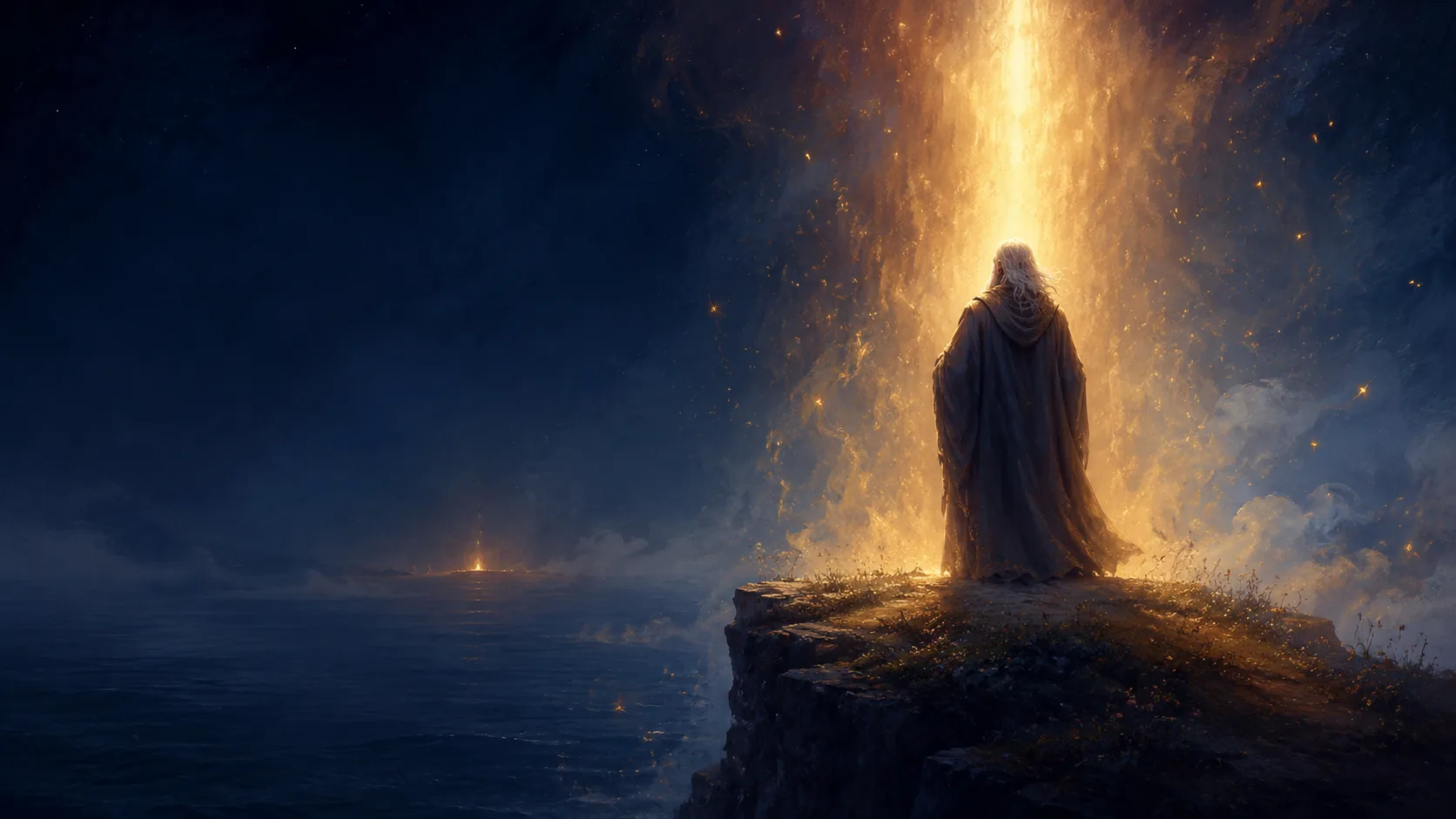
Se vuoi esplorare un altro luogo in cui la memoria diventa luce, continua con Il Faro del Silenzio.

Non tutto ciò che perdi deve tornare nello stesso modo. Alcune cose chiedono di essere ritrovate, altre di essere lasciate andare, altre ancora di essere trasformate in una scelta nuova.

Il coraggio non è non avere paura di perdere. È scegliere di cercare, anche quando la risposta potrebbe cambiare la strada.

English translation

The Library of Lost Things

Milo has learned not to grow attached to anything. Then, beneath a bridge, he finds a library where every lost object waits for someone willing to remember.

01

The boy who found everything

Milo was fourteen and had a drawer full of things that no longer belonged to anyone. There was a green marble, a golden button, a photograph folded in four, and a key with no lock. He had found them along the streets of Borgolume, always after sunset.

He was not a distracted boy. On the contrary, he noticed what other people lost: a pencil fallen beneath a bench, a glove left on the bus seat, a word abandoned halfway through a conversation.

He collected everything and took it home. On each object he stuck a small label with the date it had been found. He never wrote the owner's name, because he did not know it. “Sooner or later they will come looking for it,” he told his father.

But almost no one came back. People quickly grew used to the absence of their things. They bought another umbrella, another pen, another photograph. Milo had also begun to grow used to absences.

Since his best friend Nerea had moved to the other side of the city, they had not really spoken. They had argued over something foolish, then both waited for the other to write first. Milo still had the message he wanted to send her, but he had never found the courage to press send.

02

The door beneath the bridge

One October evening, as he took the longest way home, Milo heard a tinkling beneath the Bridge of Hours. He bent near the railing and saw a small brass key. Unlike the other things in the drawer, this one already had a label tied to its stem.

The writing said: Open when you have the courage.

Milo looked around. The bridge was empty, but beneath one of the arches there was a green door he had never seen. It was not attached to a wall: it stood on its own, wedged between two stone columns, with a leaf-shaped handle.

He put in the key. The door opened without a sound.

On the other side was an immense library. Shelves rose into the darkness, and among the books glowed objects of every kind: stopped watches, ribbons, seashells, train tickets, photographs, toys, and letters that had never been sent. Small golden lights flew beneath the ceiling like fireflies.

“You are late,” said a voice.

Behind a desk appeared a curly-haired girl, a little older than Milo. She wore a blue apron with pockets so deep they seemed to contain entire rooms.

“Late for what?” Milo asked.

“For the thing you keep postponing.” The girl pointed at the key. “I am Lina. This is the Library of Lost Things.”

Losing does not always mean misplacing. Sometimes it means stopping the search, because searching would force us to choose.
03

The rules of the shelves

Lina explained that the library existed only for people who had noticed a loss without managing to give it a name. Each object arrived there when its owner had searched long enough to feel its absence, but not long enough to truly want it back.

“And can we bring it back?” Milo asked.

“Sometimes. But knowing the address is not enough. You have to understand what that person really lost together with the object.”

The first thing Lina entrusted to him was a silver whistle. It belonged to the old referee at the Borgolume field, who had lost it during a match. Milo thought it would be enough to hand it over, but Lina shook her head.

“The referee is not looking for a whistle. He is looking for the courage to return to the field after making a mistake.”

Milo took the whistle to the old man and found him sitting in the empty stands. He did not tell him that he knew the library's story. He simply held out the object.

“I am not sure I want to begin again,” the man said.

“Then you can keep it until you are sure,” Milo replied.

The old man closed his hand around the whistle. He promised nothing, but the next day he returned to the field. That evening, when Milo went back beneath the bridge, one of the library lights came on by itself.

04

The room of choices

Over the following days, Milo helped Lina return a red ribbon to a girl who had stopped dancing, a compass to a woman who no longer wanted to leave, and a cookbook to two brothers who had forgotten how to cook together.

Each time he understood that an object never returns by itself. It carries a question: do you really want to open that door again? Are you ready to apologize? Can you accept that things may have changed?

One night Lina led him into the Room of Choices. In the center stood a wooden table, and on the table lay a folded sheet of paper. Milo recognized his handwriting at once.

It was the message for Nerea. He had written it three months earlier: I am sorry about that day. If you want, we can start again.

“How did it end up here?” he asked.

“You never sent it,” said Lina. “Words held back often end up in this room.”

Milo picked up the paper, but the letters began to fade. The library trembled. The shelves shifted, the lights flew higher, and the green door began to close.

“You have to choose,” said Lina. “You can keep the paper, so you will not have to risk an answer. Or you can let it go and say those words aloud.”

Milo thought it was easier to own a message than to deliver it. A sheet of paper could not reject you, could not say it was no longer interested, could not remind you why you had argued.

But Nerea was not a lost thing. She was a person. And people are not found in a drawer.

05

The message without paper

Milo left the paper on the table. The sheet turned into a small golden spark and rose toward the ceiling. The green door stopped closing.

“Now go back,” said Lina.

“What if Nerea does not want to talk to me?”

“Then you will still have stopped hiding behind a lost thing.”

Outside, Borgolume was sleeping. Milo crossed the bridge while the sky began to brighten. When he arrived home, he took his phone. For a few seconds he looked at Nerea's name without writing anything.

Then he sent a simple message: I am sorry. Would you like to talk to me?

The answer did not arrive at once. Milo put the phone on the table and went to have breakfast. When he came back, he found a single sentence.

Yes. But this time, let us both listen.

They met that afternoon in front of the school library. Nerea did not pretend that nothing had happened, and Milo did not look for elegant excuses. They talked about the argument, the fear of seeming weak, and the months spent waiting for a message.

They did not return exactly as they had been. They returned different, which was a truer way to begin again.

06

The catalogue of found things

From that day on, Milo continued to visit the library. Lina taught him to read the catalogue, where every object had two dates: the date it had been lost and the date when someone had found the courage to truly look at it.

Some things never returned to their owners. A violin remained on a shelf because its musician had chosen another road. A photograph stayed closed in a box because the person pictured no longer wanted to live in the past. Those were choices too, and the library respected them.

Other things found a new home. The compass ended up in the hands of a girl who was afraid to leave. The red ribbon became a bookmark. The golden button from Milo's drawer was sewn onto his old coat by Nerea, during a rainy afternoon.

When someone asked what was beneath the Bridge of Hours, Milo replied that there was a library. No one quite believed him, but everyone, at least once, returned to look for something they thought they had forgotten.

The green door appeared only after sunset. And every time Milo put the key in the lock, he heard the light tinkling of thousands of objects waiting. It no longer sounded sad.

It sounded like all the possibilities asking to be chosen.

Not everything you lose has to return in the same way. Some things ask to be found, others to be let go, and still others to be transformed into a new choice.

Courage is not having no fear of losing. It is choosing to search, even when the answer might change the road.

La tua impressione

Come hai trovato questa storia?

Lascia una valutazione da una a cinque stelle per aiutare altri lettori a scegliere il loro prossimo racconto.

Valuta La biblioteca delle cose perdute da una a cinque stelle

Scegli da una a cinque stelle.

La scelta viene ricordata su questo dispositivo.

Il viaggio continua

Altre storie da custodire

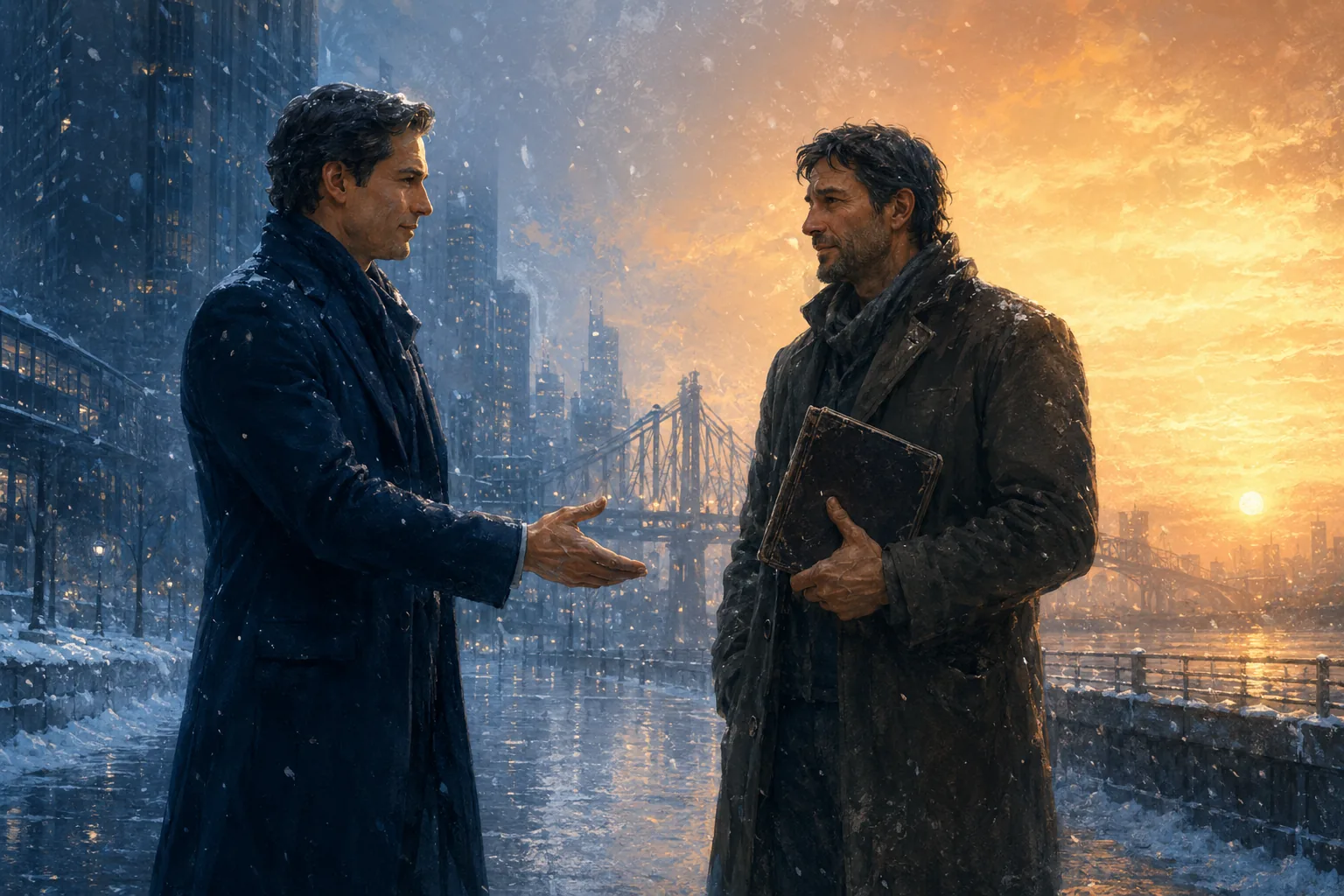
Scelti per te

Tre racconti vicini per tema, atmosfera e significato